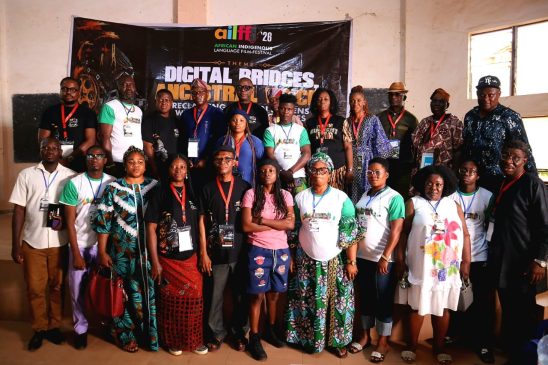
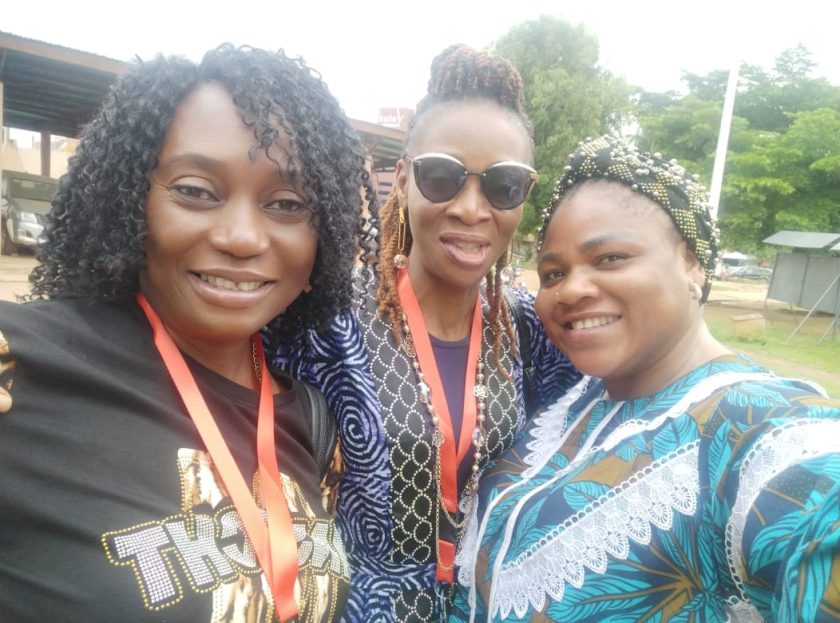
The 3rd edition of the African Indigenous Language Film Festival (AILFF’26) has concluded successfully in Parakou, Benin Republic, following four days of film screenings, professional development, cultural exchange, and industry engagement.
Held under the theme, “Digital Bridges, Ancestral Voices: Reclaiming African Screens with Indigenous Tongues,” the festival brought together filmmakers, academics, students, policymakers, and creative professionals from Nigeria, Benin Republic, and other African countries to explore the future of indigenous language storytelling in an increasingly digital world.
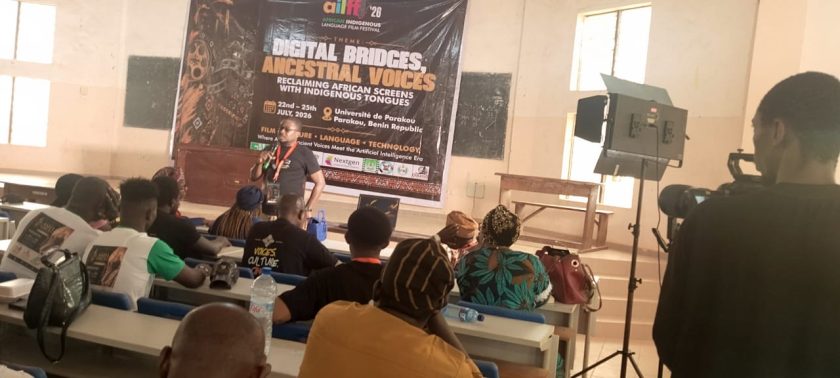
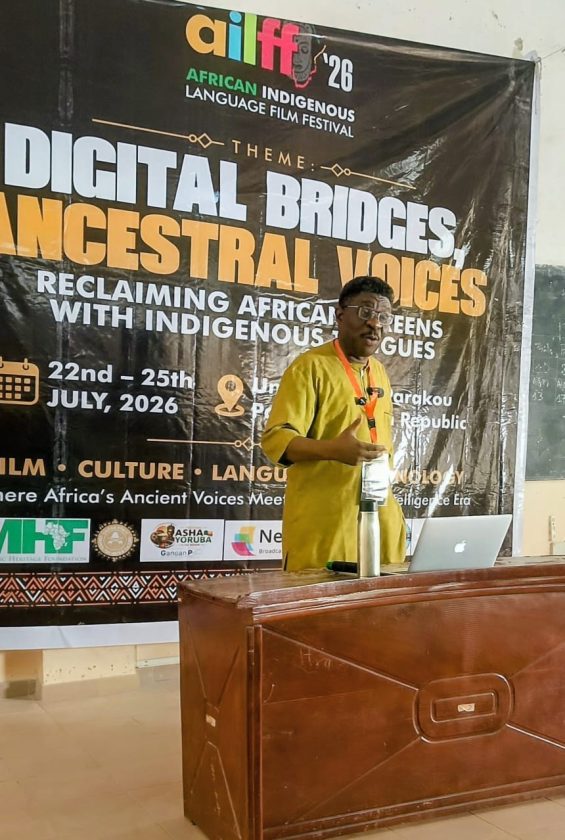
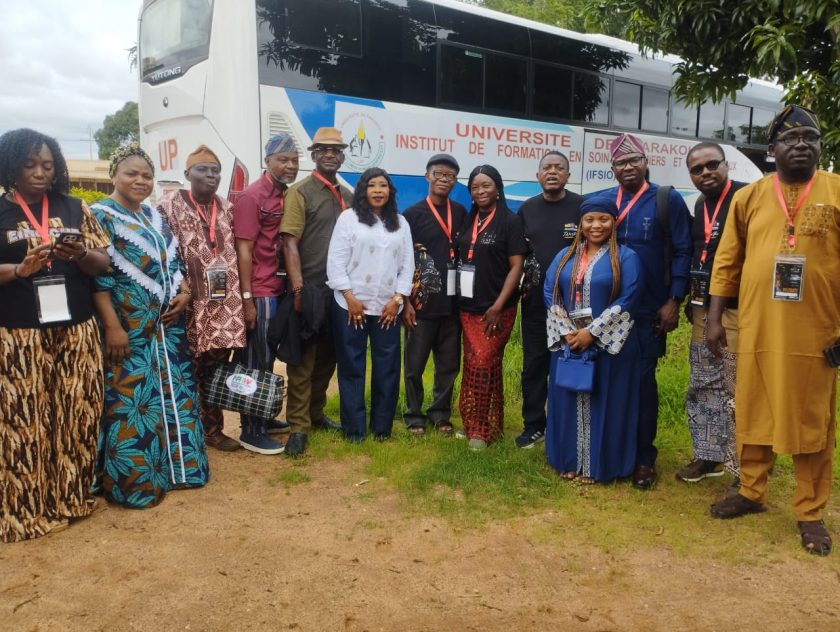
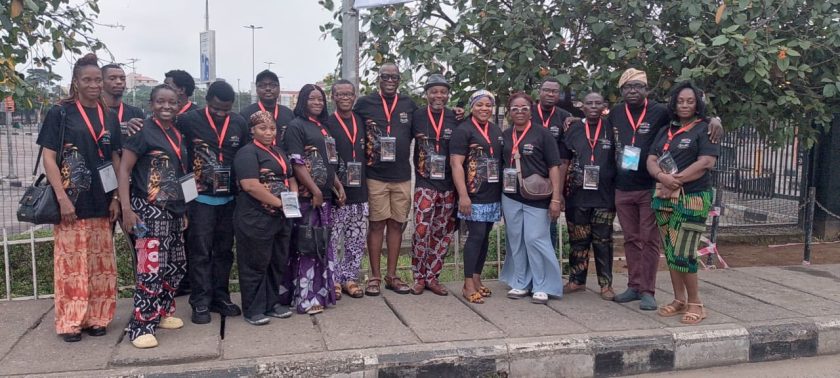
A major highlight of the festival was a two-day immersive workshop on Artificial Intelligence (AI) in Filmmaking, facilitated by acclaimed film director, animation professional, and digital technology expert Jimi Ojikutu. The practical training introduced participants to emerging AI tools and workflows for filmmaking, including content development, subtitling, post-production, and other areas where AI is increasingly influencing film production.
The festival also featured a keynote address by Dr. Victor Okhai, who spoke on the opportunities and responsibilities facing African filmmakers in preserving indigenous languages while embracing technological innovation. Prof. Lawrence Akande introduced participants to the Pan-African University Modular Programme, highlighting opportunities for continuing professional education within the creative sector.
Representing the Director-General/Executive Director of the National Film and Video Censors Board (NFVCB), Madam Uju delivered a presentation on the Board’s statutory responsibilities and its role in Nigeria’s film regulatory framework, providing participants with valuable insights into the country’s evolving screen industry.
Delegates also attended a special screening of Tenants of the House, produced by Dr. Wale Okediran and directed by Kunle Afolayan, followed by discussions on storytelling, adaptation, and contemporary African filmmaking.
The Université de Parakou provided valuable technical and institutional support throughout the festival, assisting with venues, audiovisual facilities, and other logistics that contributed to the successful delivery of the programme.
In addition to the professional sessions, delegates visited the historic Azèkè Market in Parakou, where they experienced the city’s rich cultural heritage and gained a deeper appreciation of the traditions and communities that continue to inspire authentic African storytelling.
Speaking at the close of the festival, the organisers thanked the keynote speakers, facilitators, delegates, institutional partners, volunteers, and the people of Parakou for their support and hospitality. They confirmed that planning for AILFF’27 will begin immediately, with a commitment to building on the experiences and lessons of previous editions.
The African Indigenous Language Film Festival continues to serve as a platform for promoting indigenous language cinema, encouraging professional development, fostering cross-border collaboration, and celebrating Africa’s diverse cultural heritage through the art of film.